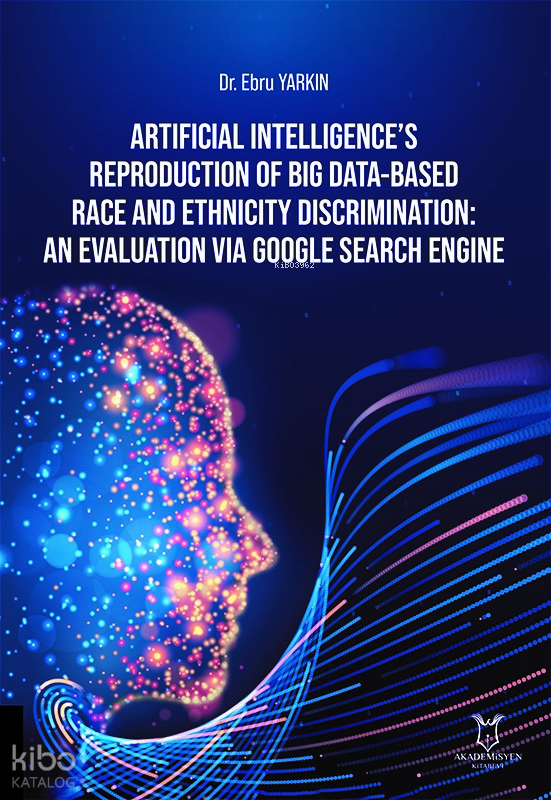
Artificial Intelligence’s Reproduction of Big Data-Based Race and Ethnicity Discrimination;An Evaluation via Google Search Engine
Boyut:
160-240-
Sayfa Sayısı:
354
Baskı:
1
Basım Tarihi:
2025-12-09
Kapak Türü:
Karton
Kağıt Türü:
1.Hamur
Dili:
İngilizce
%7
indirimli
625,00
581,25
Havale/EFT ile:
534,75
9786253756055
799027
https://www.sehadetkitap.com/urun/artificial-intelligence-s-reproduction-of-big-data-based-race-and-ethnicity-discrimination-an-evaluation-via-google-search-engine
Artificial Intelligence’s Reproduction of Big Data-Based Race and Ethnicity Discrimination;An Evaluation via Google Search Engine
581.25
İÇİNDEKİLER
1. INTRODUCTION
2. THEORETICAL FRAMEWORK OF BIG DATA AND ARTIFICIAL INTELLIGENCE
2.1. Big Data, Artificial Intelligence and Machine Learning
2.1.1. The Concept of Big Data and its Elements
(Understanding Big Data – From Information to Data)
2.1.2. Artificial Intelligence and its History (Digital Brain Born-Artificial Intelligence and Artificial Intelligence Networks)
2.1.2.1. Structural Model of Artificial Neural Networks
2.1.2.2. Artificial Neural Networks by Structural Characteristics
2.1.2.3. Fundamental Elements of Artificial Neural Networks
2.1.3. Machine Learning
2.1.3.1. Deep Learning
2.1.3.2. Natural Language Processing
2.1.4. The Relationship between Big Data, Artificial Intelligence and Machine Learning
2.2. Mass Media and Artificial Intelligence Systems in Digital Transformation
2.2.1. Mass Media, Big Data, and Artificial Intelligence
2.2.2. Google Search Engine: The Relationship with Big Data and Artificial
Intelligence Systems
2.2.2.1. The Operating Principle of a Search Engine
2.2.2.2. Google's Business Case with Big Data
3. DIGITAL SURVEILLANCE AND ETHICS
3.1. Surveillance and Digital Surveillance
3.1.1. Conceptual Framework
3.1.2. From Panopticon to Banopticon
3.1.3. Big Data Surveillance: Google's Superpanopticon
3.1.4. The (Ethical) Challenges of Digital Surveillance with Big Data
3.2. Ethics: A Comparative Study
3.2.1. Conceptual Framework
3.2.2. Ethical Approaches: Normative Theories
3.2.2.1. Teleological ethics (Consequentialism)
3.2.2.2. Deontological Ethics (Duty Ethics)
3.2.2.3. Virtue Ethics (Character-Based Ethics)
3.2.3. Universal Morality and Social Structure: Perspectives of Kant and Marx
3.2.3.1. Universal Moral Perspective from Kantian Point of View
3.2.3.2. Historical aMaterialism Approach from Marxist Point of View and
Ideology as the Visibility of Reality
3.2.3.3. Marx's Conception of Freedom: A Perspective Different from Kant's Paradigm
3.2.3.4. Marx's Materialist Ethics Against Kant's Universalist Ethics
3.3. The Responsibility of Artificial Intelligence for the
Ethical Challenges of Big Data
4. THE PROBLEM OF RACIAL AND ETHNIC DISCRIMINATION
IN ARTIFICIAL INTELLIGENCE
4.1. The Concept of Discrimination
4.1.1. Race and Ethnicity: The Conceptual Framework and its Role Throughout Discrimination
4.1.2. Racial and Ethnic Discrimination from Kantian and Marxist Perspectives
4.1.3. Migration and Immigrants
4.2. How Does Artificial Intelligence Reproduce Racial and Ethnic Discrimination?
4.2.1. The Power of Big Data
4.2.2. Interconnected Challenges arising from Big Data: Human Bias,
Superpanopticon, ‘Content Relevance' and ‘Linking' Algorithm and
Geopolitical Impact
5. ANALYSIS OF THE IMAGES OF ‘GÖÇMEN' AND ‘IMMIGRANT' AND
THE TEXTS HOSTING THESE IMAGES
5.1. Research Design
5.1.1. Clustering and Classification Machine Learning Analysis
5.1.2. Social Semiotics Analysis and Four-Step Photo Reading
5.1.3. Van Dijk's Socio-Cognitive Critical Discourse Analysis
5.2. Methodology
6. FINDINGS
7. DISCUSSION AND CONCLUSION
REFERENCES
APPENDIX
İÇİNDEKİLER
1. INTRODUCTION
2. THEORETICAL FRAMEWORK OF BIG DATA AND ARTIFICIAL INTELLIGENCE
2.1. Big Data, Artificial Intelligence and Machine Learning
2.1.1. The Concept of Big Data and its Elements
(Understanding Big Data – From Information to Data)
2.1.2. Artificial Intelligence and its History (Digital Brain Born-Artificial Intelligence and Artificial Intelligence Networks)
2.1.2.1. Structural Model of Artificial Neural Networks
2.1.2.2. Artificial Neural Networks by Structural Characteristics
2.1.2.3. Fundamental Elements of Artificial Neural Networks
2.1.3. Machine Learning
2.1.3.1. Deep Learning
2.1.3.2. Natural Language Processing
2.1.4. The Relationship between Big Data, Artificial Intelligence and Machine Learning
2.2. Mass Media and Artificial Intelligence Systems in Digital Transformation
2.2.1. Mass Media, Big Data, and Artificial Intelligence
2.2.2. Google Search Engine: The Relationship with Big Data and Artificial
Intelligence Systems
2.2.2.1. The Operating Principle of a Search Engine
2.2.2.2. Google's Business Case with Big Data
3. DIGITAL SURVEILLANCE AND ETHICS
3.1. Surveillance and Digital Surveillance
3.1.1. Conceptual Framework
3.1.2. From Panopticon to Banopticon
3.1.3. Big Data Surveillance: Google's Superpanopticon
3.1.4. The (Ethical) Challenges of Digital Surveillance with Big Data
3.2. Ethics: A Comparative Study
3.2.1. Conceptual Framework
3.2.2. Ethical Approaches: Normative Theories
3.2.2.1. Teleological ethics (Consequentialism)
3.2.2.2. Deontological Ethics (Duty Ethics)
3.2.2.3. Virtue Ethics (Character-Based Ethics)
3.2.3. Universal Morality and Social Structure: Perspectives of Kant and Marx
3.2.3.1. Universal Moral Perspective from Kantian Point of View
3.2.3.2. Historical aMaterialism Approach from Marxist Point of View and
Ideology as the Visibility of Reality
3.2.3.3. Marx's Conception of Freedom: A Perspective Different from Kant's Paradigm
3.2.3.4. Marx's Materialist Ethics Against Kant's Universalist Ethics
3.3. The Responsibility of Artificial Intelligence for the
Ethical Challenges of Big Data
4. THE PROBLEM OF RACIAL AND ETHNIC DISCRIMINATION
IN ARTIFICIAL INTELLIGENCE
4.1. The Concept of Discrimination
4.1.1. Race and Ethnicity: The Conceptual Framework and its Role Throughout Discrimination
4.1.2. Racial and Ethnic Discrimination from Kantian and Marxist Perspectives
4.1.3. Migration and Immigrants
4.2. How Does Artificial Intelligence Reproduce Racial and Ethnic Discrimination?
4.2.1. The Power of Big Data
4.2.2. Interconnected Challenges arising from Big Data: Human Bias,
Superpanopticon, ‘Content Relevance' and ‘Linking' Algorithm and
Geopolitical Impact
5. ANALYSIS OF THE IMAGES OF ‘GÖÇMEN' AND ‘IMMIGRANT' AND
THE TEXTS HOSTING THESE IMAGES
5.1. Research Design
5.1.1. Clustering and Classification Machine Learning Analysis
5.1.2. Social Semiotics Analysis and Four-Step Photo Reading
5.1.3. Van Dijk's Socio-Cognitive Critical Discourse Analysis
5.2. Methodology
6. FINDINGS
7. DISCUSSION AND CONCLUSION
REFERENCES
APPENDIX
Iyzico İle Öde
| Taksit Sayısı | Taksit tutarı | Genel Toplam |
|---|---|---|
| Tek Çekim | 581,25 | 581,25 |
| 2 | 290,63 | 581,25 |
| 3 | 193,75 | 581,25 |
| 4 | 145,31 | 581,25 |
| 5 | 116,25 | 581,25 |
| 6 | 96,88 | 581,25 |
Yorum yaz
Bu kitabı henüz kimse eleştirmemiş.
-
-%7
 Stokta yok
 -
-%7
Stokta yok%7İNDİRİM900,00 837,00
-
-%7
Stokta yok
-
-%7
Stokta yok
-
-%7
Stokta yok%7İNDİRİM600,00 558,00
-
-%7
Stokta yok
-
-%7
Stokta yok
-
-%7
Stokta yok%7İNDİRİM2.150,00 1.999,50
-
-%7
Stokta yok%7İNDİRİM250,00 232,50
-
-%7
Stokta yok