9786259397177
787714
https://www.sehadetkitap.com/urun/the-last-century-of-the-arab-world
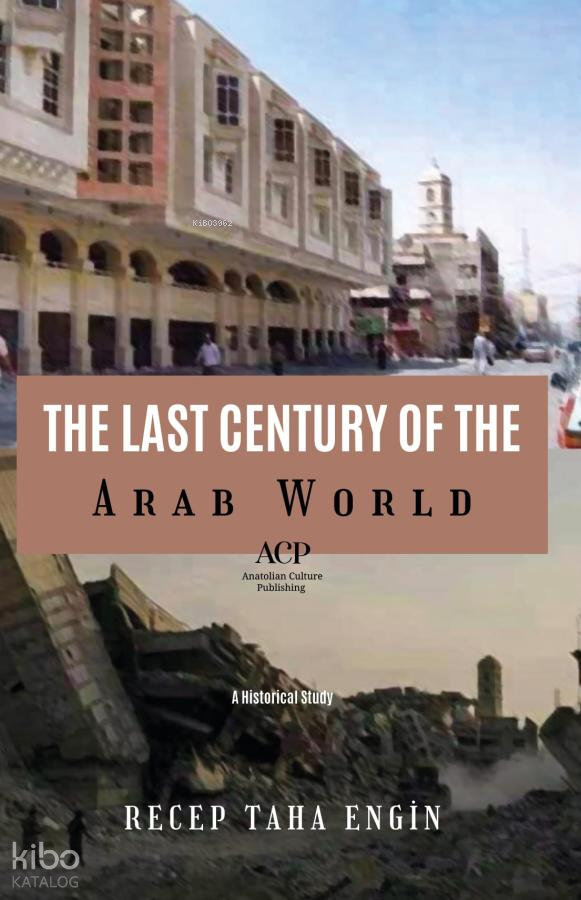
The Last Century of the Arab World
220
The region known today as the Arab World is widely considered the cradle of
human civilization. Based on written historical sources and observable
developments, the social and political shifts within this geography have left a
lasting mark on the entire world.
This book begins by offering a concise overview of the region's situation roughly a
century ago. It then turns to the post-Ottoman era, exploring how new states
that emerged after the fall of the empire--and in the wake of both World War I
and World War II-often looked to countries Tike Turkey, Iran, and Egypt as key
political reference points.
It is impossible to overlook the continued impact of political strategies drawn up
by Great Britain and France during this time-strategies that still influence the
region today. With the onset of the Cold War, the influence of the United States
and Russia also became prominent in the region, adding another layer of
complexity to the geopolitical landscape.
Although the Non-Aligned Movement-led primarily by Egypt-initially sought an
independent path for the region, the international political climate of the time
inevitably led to engagement with both the Eastern and Western blocs.
The shifts taking place within the Arab World were largely driven by
developments centered around Iran and Egypt, due in part to their strategic
geopolitical positions. Both countries entered into close diplomatic relations
through the D-8 (Developing-8) initiative, launched during the 54th government
of the Republic of Turkey under what was called a "Principled Foreign Policy."
However, following the 1997 agreement between member nations, political
turmoil-including the removal of key leaders from office and mounting
international pressu-re-prevented the D-8 from gaining real momentum.
Earlier conflicts such as the First and Second Gulf Crises had already triggered
internal divisions within the region, giving rise to differing political strategies
among Arab states. This study also examines the U.S.-led military operations in
the region after the year 2000, as well as the socio-political transformations
sparked by the Arab Spring beginning in 2010
The region known today as the Arab World is widely considered the cradle of
human civilization. Based on written historical sources and observable
developments, the social and political shifts within this geography have left a
lasting mark on the entire world.
This book begins by offering a concise overview of the region's situation roughly a
century ago. It then turns to the post-Ottoman era, exploring how new states
that emerged after the fall of the empire--and in the wake of both World War I
and World War II-often looked to countries Tike Turkey, Iran, and Egypt as key
political reference points.
It is impossible to overlook the continued impact of political strategies drawn up
by Great Britain and France during this time-strategies that still influence the
region today. With the onset of the Cold War, the influence of the United States
and Russia also became prominent in the region, adding another layer of
complexity to the geopolitical landscape.
Although the Non-Aligned Movement-led primarily by Egypt-initially sought an
independent path for the region, the international political climate of the time
inevitably led to engagement with both the Eastern and Western blocs.
The shifts taking place within the Arab World were largely driven by
developments centered around Iran and Egypt, due in part to their strategic
geopolitical positions. Both countries entered into close diplomatic relations
through the D-8 (Developing-8) initiative, launched during the 54th government
of the Republic of Turkey under what was called a "Principled Foreign Policy."
However, following the 1997 agreement between member nations, political
turmoil-including the removal of key leaders from office and mounting
international pressu-re-prevented the D-8 from gaining real momentum.
Earlier conflicts such as the First and Second Gulf Crises had already triggered
internal divisions within the region, giving rise to differing political strategies
among Arab states. This study also examines the U.S.-led military operations in
the region after the year 2000, as well as the socio-political transformations
sparked by the Arab Spring beginning in 2010
Iyzico İle Öde
| Taksit Sayısı | Taksit tutarı | Genel Toplam |
|---|---|---|
| Tek Çekim | 220,00 | 220,00 |
| 2 | 110,00 | 220,00 |
| 3 | 73,33 | 220,00 |
| 4 | 55,00 | 220,00 |
| 5 | 44,00 | 220,00 |
| 6 | 36,67 | 220,00 |
Yorum yaz
Bu kitabı henüz kimse eleştirmemiş.
-
-%22
 Stokta yok%22İNDİRİM200,00 156,00
 -
Stokta yok
-
Stokta yok
-
Stokta yok


-
Stokta yok
-
Stokta yok
-
Stokta yok
-
Stokta yok
-
Stokta yok
-
Stokta yok
-
Stokta yok
-
Stokta yok
-
Stokta yok
-
Stokta yok